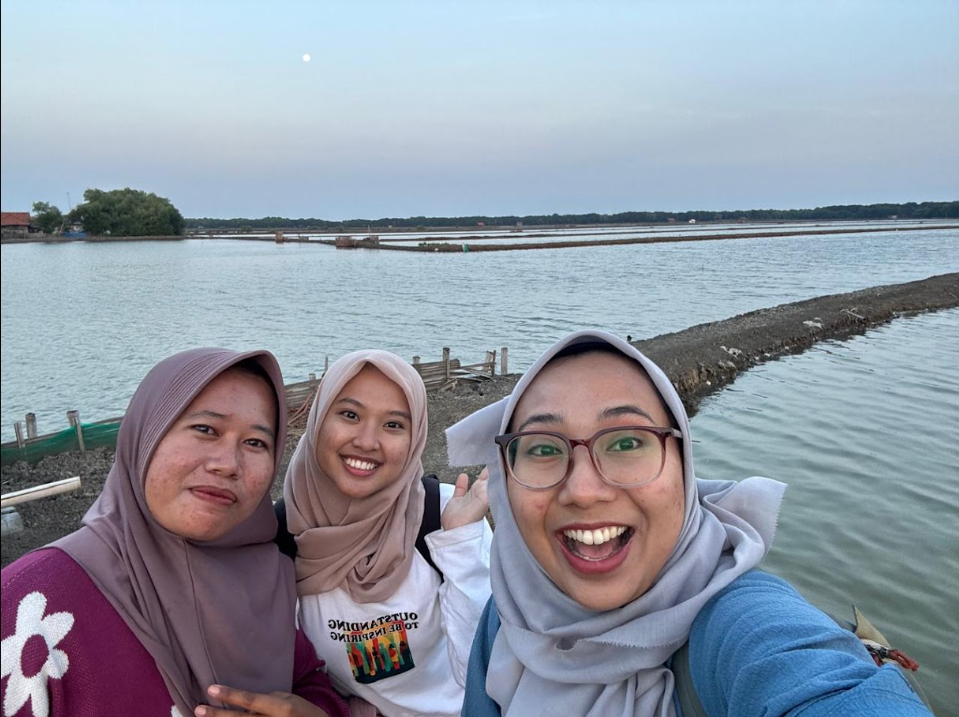
Exploring the Potential of Gracilaria Along the Indramayu Coast
Along the coast of Cangkring Village, Indramayu, something seemingly simple grows...
Desa Cangkring, Kecamatan Cantigi, Kabupaten Indramayu
Along the coast of Cangkring Village, Indramayu, something seemingly simple grows.
Seaweed.
For some people, Gracilaria sp. may be known simply as a commodity that is harvested, dried, and sold. But for Bu Rena and her husband, this seaweed has been part of their lives for more than 10 years.
After each harvest, the Gracilaria they collect is dried before being sold to local middlemen or production facilities. The price is around IDR 2,000 per kilogram.
The value may seem small.
But this is the work that Bu Rena and her husband rely on to support their family every day.
From the Ponds to the Dining Table
Gracilaria sp. is a type of red seaweed commonly found in coastal areas, including around Cangkring Village, Indramayu.
For years, the journey of Gracilaria has often stopped at its role as a raw commodity or dried seaweed.
Yet behind its simple appearance, Gracilaria contains various components with potential for further development, including fiber, minerals, and bioactive compounds such as antioxidants.
It also contains nutrients that may be relevant to addressing the challenge of anemia in Indonesia, a persistent nutrition issue that continues to affect communities across the country.
Because of this, Gracilaria has the potential to be seen not only as a raw material, but also as part of higher-value food innovation.
Bu Rena May Not Be a Name We Encounter in This Supply Chain
When seaweed becomes a value-added commodity through food innovation, we can easily forget the people who are involved in harvesting it.
We may not know who dries it.
Who takes care of the ponds.
Or who has relied on seaweed for years as a source of livelihood for their family.
Bu Rena and her husband may not be visible throughout the long journey of Gracilaria, from the ponds to becoming a food product.
But they are an important part of that journey.
Because every food innovation begins with something that already exists.
From the ponds.
From the land.
From the sea.
And from the people who take care of it.
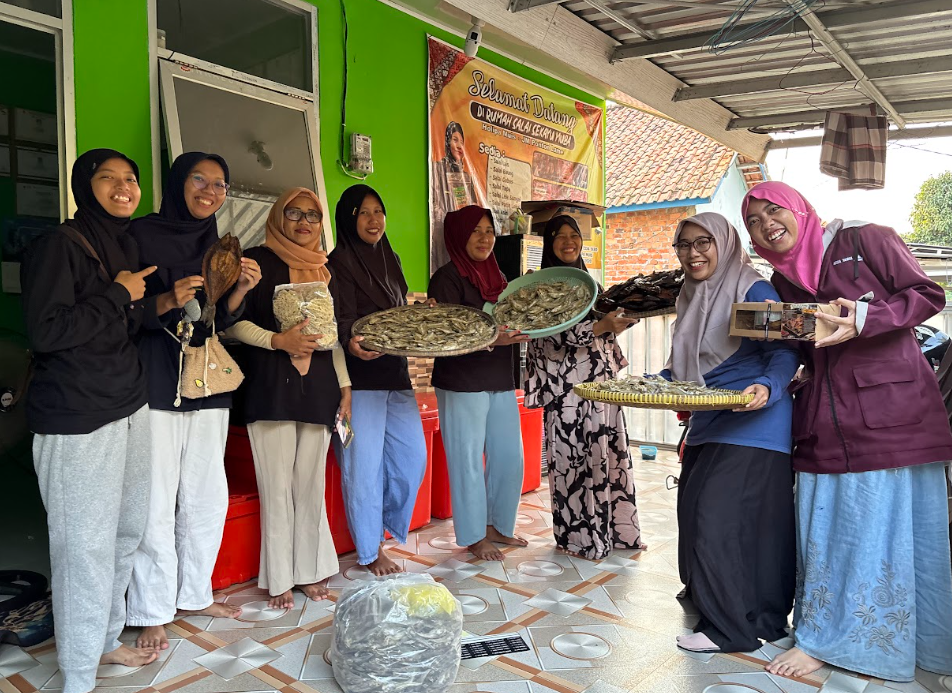
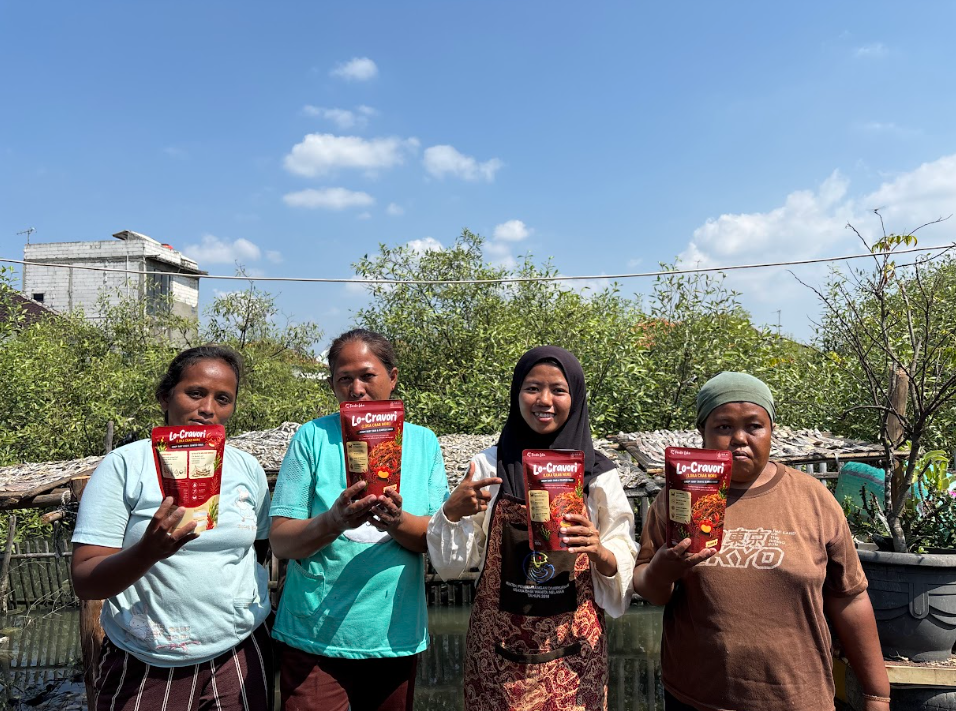
Every place holds a story that hasn’t been fully told yet.
Explore more stories